Roofing Materials Calculator
Accurately calculate shingles, underlayment, nails, and other essential materials for your roofing project. Plan your budget, minimize waste, and order with confidence.
Shingles Calculator
Use this shingles calculator to find out the number of shingles required for a certain roof area. You can configure shingle dimensions and apply other filters like overlapping, per pack, and estimated losses.
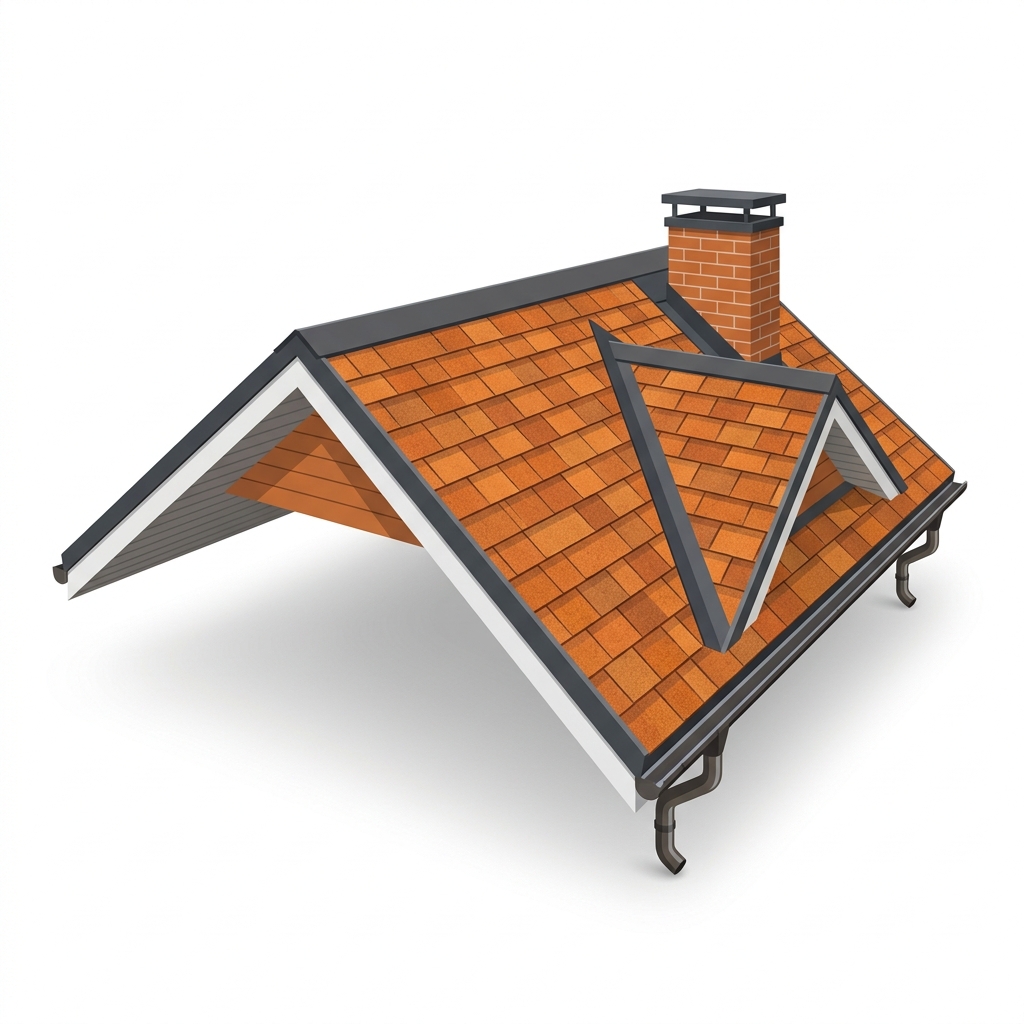
- Estimated Packs
- 9 packs
- Effective Area per Shingle
- 784 sq in
- Waste Factor Used
- 10%
Enter your values and press Calculate to see your result.
Wooden Materials Calculator
Calculate traditional wooden roof structural components including main beams, secondary beams, roofing board, membrane, and nails.
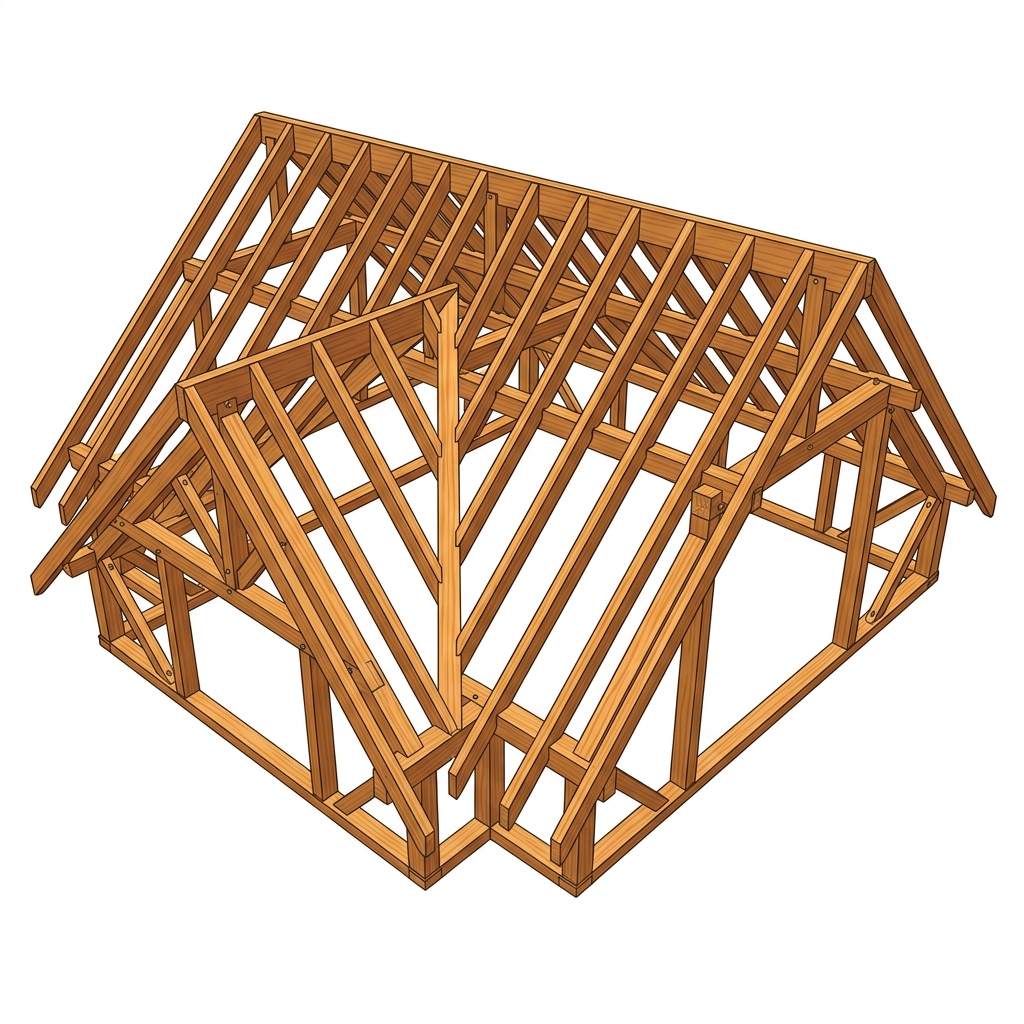
- Main Beams (10x10x400cm)
- 75 pieces
- Secondary Beams (2.5x5x400cm)
- 1.00 m³ or 200 pieces
- Roofing Board (2.5cm thick)
- 5.00 m³
- Roofing Membrane
- 200 m²
- Roof Nails (7cm)
- 10.0 kg
- Roof Nails (10cm)
- 16.0 kg
Enter your values and press Calculate to see your result.
How the Roofing Materials Calculator | Calculate Shingles & Wood Works
Follow the exact steps to get your result instantly and privately.
Step 1: Wood Shingle Roofing
Wood shingles are thin, tapered pieces of wood which are treated with fire retardant. They are used because of their beautiful loo...
Step 2: Clay Tile Roofing
Clay tile roofing is maybe the oldest form of roofing. We find clay tiles as early as the 3rd millennium BC in ancient Mesopotamia...
Step 3: Metal Roofing
Metal roofing is also an old solution - we find it in 27 B.C. with Romans using copper for the Pantheon. It has a few advantages l...
Step 4: Asphalt Shingle Roofing
Asphalt roofing is one of the most common forms of roof covering because it is cheap, easy to install and easy to maintain. Typica...
Step 5: Slate Roofing
Slate is a natural stone created by intense heat and pressure produced by ancient seas. The stone can be split into thin sheets, i...
Step 6: Flat Roof Covering Solutions
There are more types of flat roof coverings like PVC, rubber, bitumen, and tar and gravel. PVC or vinyl is very light, long-lastin...
Step 1: Wood Shingle Roofing
Wood shingles are thin, tapered pieces of wood which are treated with fire retardant. They are used because of their beautiful look, durability and high-wind resistance. Calculating materials requires accounting for the specific reveal and overlapping nature of wood shakes.

Frequently Asked Questions
Clear answers about roof square footage calculations, pitch slope factors, shingle bundles, and ordering materials.
A roofing square is a unit of measurement used by contractors and manufacturers. One square equals 100 square feet of roof area. Materials like shingles, underlayment, and nails are all calculated and sold based on how many squares your roof is.
The industry standard waste factor is 10% for a simple gable roof. If your roof is complex with multiple valleys, dormers, and hips, you should increase the waste factor to 15%. For extremely complex roofs, a 20% waste factor is recommended to ensure you don't run short.
Most standard architectural and 3-tab asphalt shingles are packaged so that 3 bundles equal one square (100 square feet). However, heavier premium shingles may come in packages of 4 or even 5 bundles per square due to their weight. Always check the manufacturer's specifications.
Your home's footprint (length × width) only gives you the flat ground area. Because the roof is angled (pitched), its actual surface area is larger than the footprint beneath it. The steeper the pitch, the larger the surface area. We use a 'pitch multiplier' to accurately convert the flat footprint into the true roof area.
For standard asphalt shingles in normal wind areas, 4 nails are required per shingle. This equates to roughly 320-350 nails per roofing square. If you live in a high-wind area, building codes typically require 6 nails per shingle, pushing the count to about 480-500 nails per square. A 5lb box of standard 1-1/4" roofing nails contains approximately 900 nails.
Still have questions about your roof takeoff?
Explore our comprehensive suite of specialized calculators or contact our estimator team for personalized guidance.